Introduction
 Source: tse1.mm.bing.net
Looking for a new computer can be an exciting but overwhelming experience. With numerous options available in the market, finding the perfect device that suits your needs and preferences can be a daunting task. Whether you're a student, a professional, or a gamer, this article will guide you through the process of purchasing a new computer. We'll explore the different types of computers, their specifications, and provide you with valuable tips to make an informed decision.
The Importance of Choosing the Right Computer
 Source: tse1.mm.bing.net
Selecting the right computer is crucial as it directly impacts your productivity and overall user experience. A well-suited computer will ensure smooth multitasking, faster processing, and efficient performance. Whether you're using it for work, entertainment, or both, a computer that meets your requirements will enhance your daily routine and make your tasks more enjoyable.
Types of Computers
 Source: tse1.mm.bing.net
Before diving into the specifications, let's take a look at the different types of computers available in the market. Understanding these categories will help you narrow down your options and make an informed decision.
1. Desktop Computers
 Source: tse1.mm.bing.net
Desktop computers are stationary devices that consist of a monitor, CPU, keyboard, and mouse. They offer high performance, larger storage capacities, and the ability to upgrade various components. Ideal for users who require extensive processing power, such as gamers or professionals working with complex software.
2. Laptop Computers
 Source: tse1.mm.bing.net
Laptop computers, also known as notebooks, are portable devices that integrate all the essential components into a single unit. They offer convenience, portability, and versatility. Ideal for students, frequent travelers, or individuals who prefer a compact and lightweight device.
3. All-in-One Computers
 Source: tse1.mm.bing.net
All-in-One computers combine the monitor and CPU into a single unit, eliminating the need for a separate tower. They offer space-saving designs, easy setup, and reduced cable clutter. Ideal for users who desire a sleek and minimalist setup without compromising performance.
4. Gaming Computers
 Source: tse1.mm.bing.net
Gaming computers are specifically designed to handle graphically demanding games and deliver high-performance gameplay. They feature powerful processors, advanced graphics cards, and ample RAM. Ideal for gamers who want to enjoy a smooth gaming experience with stunning visuals and fast frame rates.
5. Tablet Computers
 Source: tse1.mm.bing.net
Tablet computers are portable devices that offer touch-based interaction and do not require a physical keyboard or mouse. They are lightweight, compact, and excellent for browsing, multimedia consumption, and casual gaming. Ideal for users who prioritize portability and convenience over extensive computing tasks.
Understanding Specifications
 Source: tse1.mm.bing.net
Now that you have an idea about the different types of computers, let's dive into the specifications that define their performance and capabilities. Understanding these specifications will help you make an informed decision based on your specific requirements.
1. Processor (CPU)
 Source: tse1.mm.bing.net
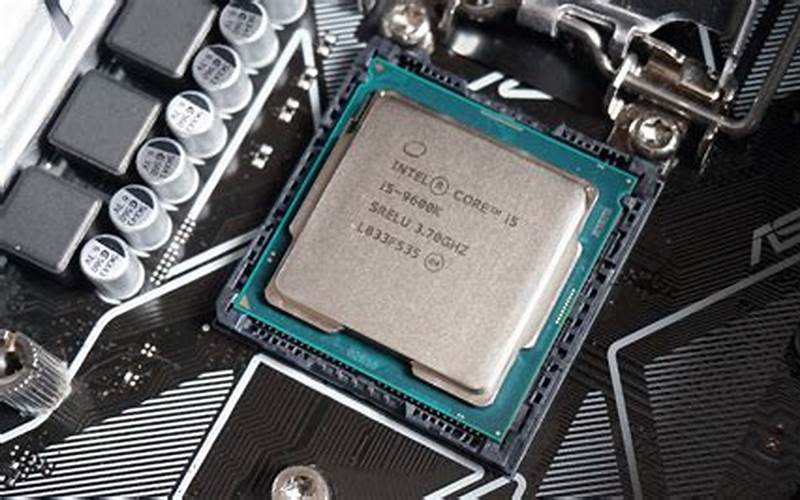
The processor, also known as the CPU (Central Processing Unit), is the computer's brain. It determines how fast the computer can execute tasks. Processors are classified by their clock speed (measured in GHz) and the number of cores. Higher clock speeds and more cores generally result in faster performance.
2. RAM (Random Access Memory)
 Source: tse1.mm.bing.net
RAM is the temporary memory that stores data the computer is actively using. The higher the RAM capacity, the more programs and processes the computer can handle simultaneously without slowing down. For seamless multitasking and running resource-intensive software, opt for higher RAM capacities.
3. Storage (Hard Drive or SSD)
 Source: tse1.mm.bing.net
Storage determines the amount of data you can store on your computer. There are two primary types: Hard Disk Drives (HDD) and Solid-State Drives (SSD). HDDs offer larger storage capacities at affordable prices, while SSDs provide faster data access, improved boot times, and better durability.
4. Graphics Card (GPU)
 Source: tse1.mm.bing.net
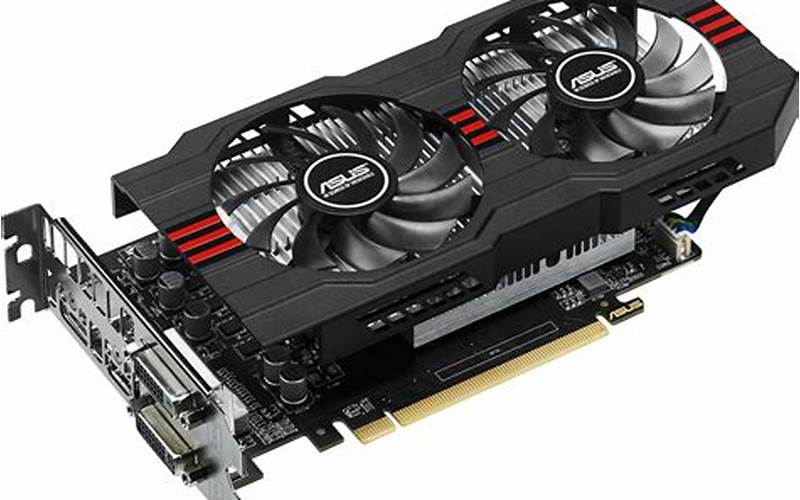
Graphics cards, also known as GPUs (Graphics Processing Units), handle the rendering of images, videos, and games. They are essential for smooth gaming experiences and graphic-intensive tasks. Gamers and professionals working with multimedia software should opt for dedicated graphics cards for optimal performance.
5. Display
 Source: tse1.mm.bing.net
The display is one of the most crucial aspects of a computer. It determines the quality of visuals and impacts your overall viewing experience. Consider factors such as screen size, resolution, and panel type (e.g., IPS or TN) to ensure an immersive and crisp display.
Tips for Choosing the Right Computer
 Source: tse1.mm.bing.net
To help you make an informed decision, here are some valuable tips to consider when purchasing a new computer:
1. Determine Your Needs
 Source: tse1.mm.bing.net
Identify your specific requirements based on your usage patterns. Determine whether you need a computer for gaming, work, multimedia consumption, or a combination of these. This will help you narrow down your options and choose a computer tailored to your needs.
2. Set a Budget
 Source: tse1.mm.bing.net
Decide on a budget beforehand to avoid overspending or compromising on essential features. Consider the specifications required for your intended usage and find a balance between performance and affordability.
3. Research Brands and Customer Reviews
 Source: tse1.mm.bing.net
Investigate different computer brands and read customer reviews to gain insights into their reliability, customer service, and overall user satisfaction. This will help you choose a trustworthy brand that offers quality products.
4. Visit Physical Stores
 Source: tse1.mm.bing.net
If possible, visit physical stores to have a hands-on experience with different computers. This allows you to assess the build quality, keyboard comfort, display quality, and other physical aspects that may influence your decision.
5. Consider Future Upgradability
 Source: tse1.mm.bing.net
Technology evolves rapidly, and it's wise to choose a computer that allows easy upgradability in the future. Consider factors such as the ability to upgrade RAM, storage, or graphics cards to ensure your computer remains capable of handling future software requirements.
6. Warranty and Support
 Source: tse1.mm.bing.net
Check the warranty period and after-sales support provided by the manufacturer. A longer warranty period ensures peace of mind and protection against potential hardware failures.
Conclusion
Finding the perfect computer that meets your needs requires careful consideration of various factors. By understanding the different types of computers, their specifications, and following the tips mentioned in this article, you'll be well-equipped to make an informed decision. Remember to assess your requirements, set a budget, research different brands, and consider future upgradability. With these guidelines in mind, you're ready to embark on your journey to find the ideal computer for your needs.
Post a Comment for "New Computer Sales: Finding the Perfect Device for Your Needs"