Computer Science & Software Engineering: Exploring the Intersection of Technology
 Source: tse1.mm.bing.net
Computer science is a discipline that deals with the study of computers and computational systems. It involves the theory, design, development, and application of computer software and hardware. Computer scientists explore various areas such as algorithms, data structures, artificial intelligence, computer graphics, and more.
Computer science is not just limited to programming or coding. It encompasses a wide range of topics that aim to understand and solve complex problems using computational techniques. It is the foundation of modern technology, enabling advancements in various fields such as healthcare, finance, communication, and entertainment.
 Source: tse1.mm.bing.net
Software engineering focuses on the practical aspects of computer science, specifically the development and maintenance of software systems. It involves the application of engineering principles to design, create, test, and deploy reliable and efficient software solutions.
Software engineers analyze user needs, design software architecture, write code, and ensure the quality and performance of the software. They collaborate with other professionals, such as project managers and designers, to create innovative and user-friendly applications.
Software engineering is an essential discipline in today's digital world. It plays a crucial role in developing software applications that power our everyday lives, from mobile apps and web platforms to operating systems and embedded systems.
 Source: tse1.mm.bing.net
Computer science and software engineering are closely intertwined and share common foundations. While computer science focuses on the theoretical aspects of computing, software engineering applies those theories to build practical solutions.
Computer scientists contribute to software engineering by developing new algorithms, designing efficient data structures, and exploring emerging technologies. On the other hand, software engineers apply the knowledge of computer science to build robust and scalable software systems.
The intersection of computer science and software engineering is where innovation happens. It is where groundbreaking technologies emerge, such as artificial intelligence, machine learning, virtual reality, and blockchain. This synergy creates endless possibilities for technological advancements and drives the evolution of our digital world.
 Source: tse1.mm.bing.net
Computer science and software engineering encompass numerous key concepts that form the foundation of the field. Understanding these concepts is crucial for anyone looking to pursue a career in technology or simply explore the world of computing.
 Source: tse1.mm.bing.net
Algorithms and data structures are fundamental building blocks in computer science and software engineering. Algorithms are step-by-step procedures for solving problems, while data structures are the ways to organize and store data efficiently.
Understanding algorithms allows developers to create efficient and optimized solutions. Data structures, such as arrays, linked lists, stacks, and queues, enable efficient data manipulation and retrieval. Mastering these concepts is essential for writing high-performance software.
 Source: tse1.mm.bing.net
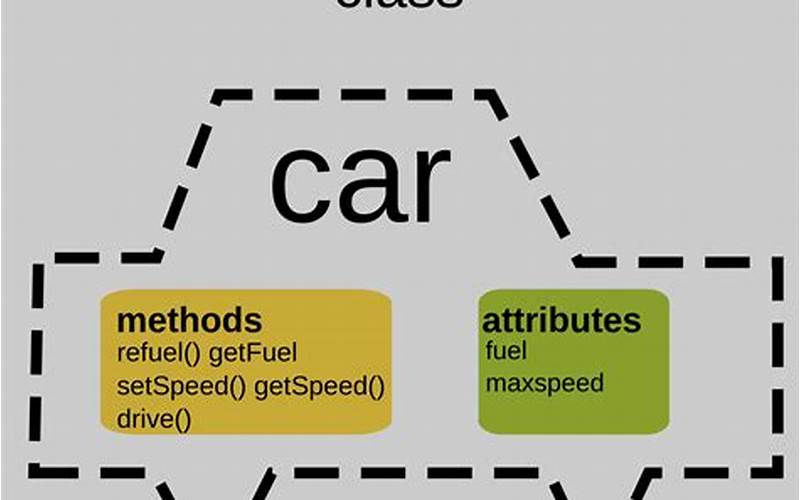
Object-oriented programming (OOP) is a programming paradigm that organizes software design around objects, which can contain data and code. OOP enables modular and reusable code, making it easier to manage large-scale projects.
In OOP, software is built using classes, which are templates for creating objects. Each object has its own state (data) and behavior (methods). Encapsulation, inheritance, and polymorphism are key principles of OOP that enhance code reusability and maintainability.
 Source: tse1.mm.bing.net
Software development lifecycle (SDLC) is a framework that outlines the various stages involved in building software. It provides a systematic approach to software development, ensuring quality, efficiency, and adherence to requirements.
The typical stages of SDLC include requirements gathering, system design, coding, testing, deployment, and maintenance. Each stage has its own processes and methodologies, such as Agile, Waterfall, or DevOps. Understanding the SDLC helps software engineers deliver high-quality products within budget and time constraints.
 Source: tse1.mm.bing.net
Database management systems (DBMS) are software tools that enable efficient storage, organization, and retrieval of data. They play a crucial role in applications that require persistent data storage.
DBMS allows developers to create, manage, and manipulate databases, providing functionalities such as data querying, indexing, and transaction management. Understanding DBMS concepts and technologies, such as SQL (Structured Query Language), is essential for building data-driven applications.
 Source: tse1.mm.bing.net
Networking and distributed systems deal with the communication and coordination of multiple devices and systems. It involves understanding protocols, network architectures, and the challenges of distributed computing.
Networking concepts, such as TCP/IP, routing, and network security, are crucial for building robust and secure applications. Distributed systems focus on designing and developing software that can operate across multiple machines or nodes, enabling scalability and fault tolerance.
 Source: tse1.mm.bing.net
The field of computer science and software engineering offers a wide range of career opportunities. As technology continues to advance, the demand for skilled professionals in this field is ever-increasing.
Here are some popular career paths in computer science and software engineering:
 Source: tse1.mm.bing.net
Software developers design, code, and maintain software applications. They work closely with clients or end-users to understand their requirements and develop tailored solutions. Software developers can specialize in various domains, such as web development, mobile app development, or game development.
 Source: tse1.mm.bing.net
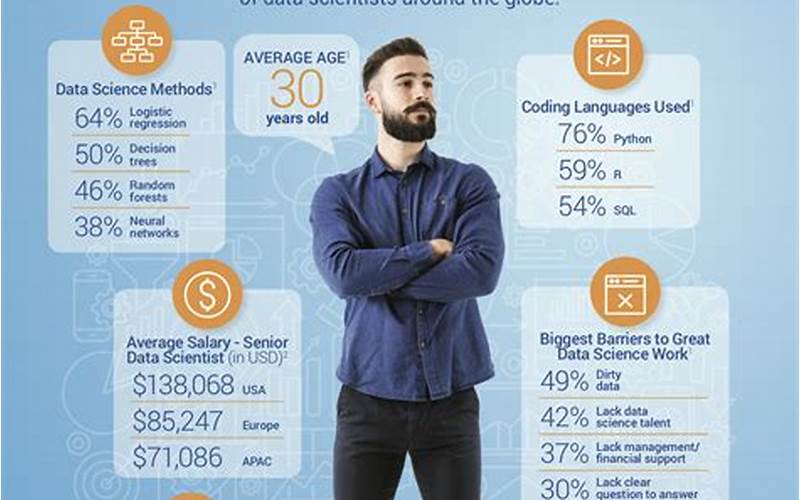
Data scientists analyze and interpret complex data sets to derive valuable insights. They use statistical techniques, machine learning algorithms, and data visualization tools to solve real-world problems. Data scientists are in high demand across industries that rely on data-driven decision-making.
 Source: tse1.mm.bing.net
Cybersecurity analysts protect computer systems and networks from cyber threats. They monitor for security breaches, develop security protocols, and implement preventive measures. With the rise in cybercrime, the demand for cybersecurity professionals is skyrocketing.
 Source: tse1.mm.bing.net
Artificial intelligence (AI) engineers develop AI-powered systems and algorithms. They work on projects involving natural language processing, computer vision, machine learning, and robotics. AI engineers are at the forefront of technological advancements, shaping the future of AI-driven innovation.
 Source: tse1.mm.bing.net
Software architects design the overall structure and high-level components of software systems. They analyze requirements, evaluate technical feasibility, and ensure scalability and performance. Software architects play a vital role in guiding the development team and ensuring the software meets the desired standards.
These are just a few examples of the numerous career paths available in computer science and software engineering. Whether you aspire to be a project manager, system analyst, UX designer, or research scientist, the field offers diverse avenues for growth and success.
 Source: tse1.mm.bing.net
The future of computer science and software engineering is filled with exciting possibilities. As technology continues to evolve at an unprecedented pace, the field is poised for groundbreaking advancements that will shape our future.
Here are some trends and areas of focus that will drive the future of computer science and software engineering:
 Source: tse1.mm.bing.net
Artificial intelligence and machine learning will play an increasingly important role in various industries. From autonomous vehicles and smart homes to personalized healthcare and virtual assistants, AI-powered technologies will revolutionize how we live and work.
Advancements in machine learning algorithms, deep learning models, and natural language processing will enable machines to understand, learn, and make decisions like humans. The future will see AI and machine learning integrated into every aspect of our lives.
 Source: tse1.mm.bing.net
The Internet of Things (IoT) refers to the network of interconnected devices that can communicate and share data with each other. IoT is already transforming industries such as healthcare, agriculture, transportation, and manufacturing.
In the future, IoT will enable a seamless integration of physical and digital worlds. Smart cities, smart homes, wearable devices, and industrial automation are just a glimpse of what IoT has in store for us. The demand for professionals skilled in IoT will continue to rise.
 Source: tse1.mm.bing.net
Blockchain technology gained prominence with the rise of cryptocurrencies like Bitcoin. However, its potential extends far beyond digital currencies. Blockchain offers secure, transparent, and decentralized solutions for various applications.
In the future, blockchain will revolutionize industries such as finance, supply chain management, healthcare, and voting systems. It will enhance security, eliminate intermediaries, and enable trustless transactions. The demand for blockchain developers and experts will grow exponentially.
 Source: tse1.mm.bing.net
Quantum computing is an emerging field that leverages the principles of quantum mechanics to perform complex computations. It promises immense computational power and has the potential to solve problems that are currently intractable for classical computers.
While still in its early stages, quantum computing holds great promise for fields such as cryptography, drug discovery, optimization, and simulation. As research and development in quantum computing advance, new career opportunities will arise in this cutting-edge field.
 Source: tse1.mm.bing.net
Computer science and software engineering are at the forefront of technological innovation. They shape the world we live in and will continue to drive the future of technology. Understanding the key concepts, exploring career opportunities, and staying updated with emerging trends will help you navigate this dynamic field.
As you embark on your journey in computer science and software engineering, remember that the possibilities are limitless. Embrace curiosity, continuous learning, and creativity to make your mark in this ever-evolving field.
Post a Comment for "Computer Science & Software Engineering: Exploring the Intersection of Technology"