 Source: tse1.mm.bing.net
The security of computer systems is a critical aspect that individuals and organizations need to prioritize in today's digital world. With the increasing prevalence of cyber threats and the potential for data breaches, it is vital to have robust security measures in place to protect sensitive information and ensure the smooth functioning of computer systems.
Understanding Computer System Security
 Source: tse1.mm.bing.net
Computer system security refers to the protection of computer systems and networks from unauthorized access, use, disclosure, disruption, modification, or destruction. It encompasses various measures, including hardware, software, and procedural safeguards, to prevent any potential security breaches and mitigate risks.
One of the key aspects of computer system security is the protection of data. Data is a valuable asset for individuals and organizations alike, and its loss or unauthorized access can have severe consequences. Implementing robust security measures ensures the confidentiality, integrity, and availability of data, thereby safeguarding it from unauthorized access or alteration.
Threats to Computer System Security
 Source: tse1.mm.bing.net
There are numerous threats that computer systems face on a daily basis. It is crucial to be aware of these threats to implement appropriate security measures. Some common threats include:
1. Malware
 Source: tse1.mm.bing.net
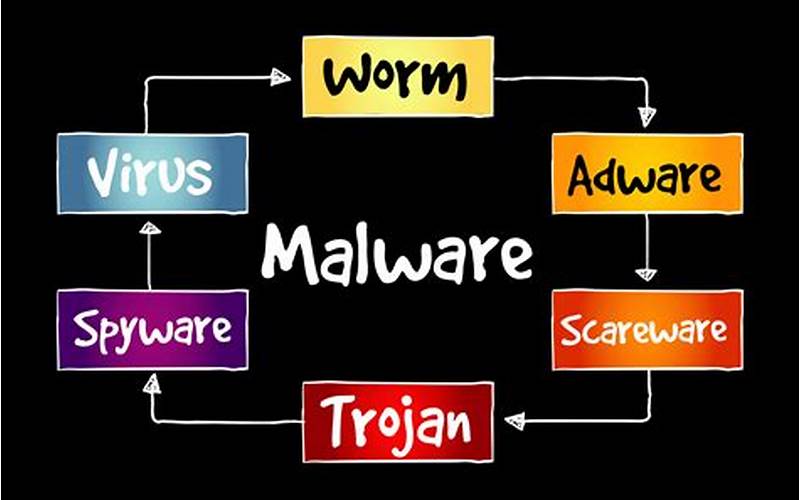
Malware refers to malicious software that is designed to disrupt computer operations, gather sensitive information, or gain unauthorized access to systems. It includes viruses, worms, Trojans, ransomware, and spyware. Malware can enter a system through various means, such as infected email attachments, malicious websites, or compromised software.
2. Phishing
 Source: tse1.mm.bing.net
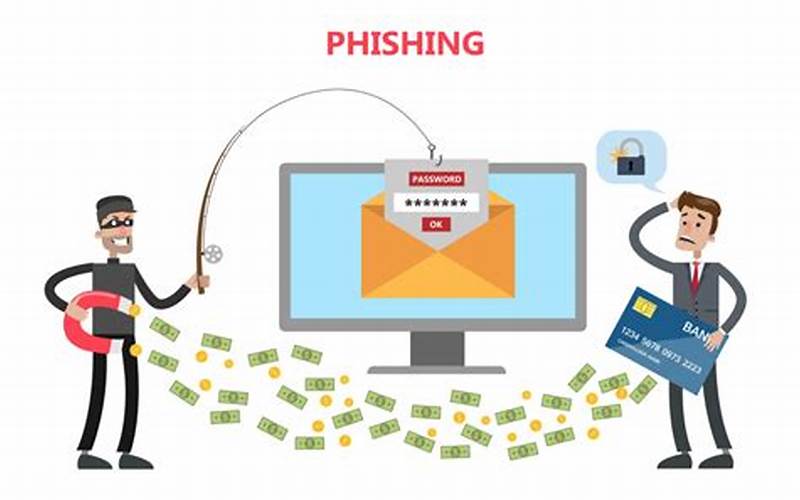
Phishing involves fraudulent attempts to obtain sensitive information, such as usernames, passwords, or credit card details, by disguising as a trustworthy entity. Phishing attacks often occur through email, where users are tricked into clicking on malicious links or providing their personal information on fake websites.
3. Social Engineering
 Source: tse1.mm.bing.net
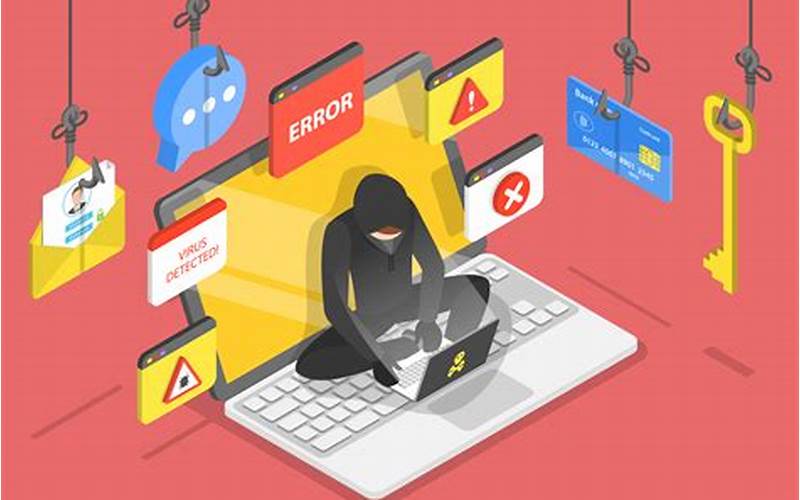
Social engineering is a tactic used by cybercriminals to manipulate individuals into revealing sensitive information or performing actions that may compromise the security of a computer system. This can include impersonating technical support personnel, tricking users into downloading malicious software, or exploiting human vulnerabilities to gain unauthorized access.
4. Insider Threats
 Source: tse1.mm.bing.net
Insider threats refer to security risks posed by individuals within an organization who have authorized access to computer systems. These individuals may intentionally or unintentionally misuse their privileges, leading to data breaches, unauthorized access, or other security incidents. Insider threats can be a result of negligence, malicious intent, or external influence.
Protecting Computer Systems from Security Threats
 Source: tse1.mm.bing.net
To ensure the security of computer systems, several measures need to be implemented. These measures work together to create layers of defense, making it harder for attackers to breach the system. Some effective security practices include:
1. Use Strong and Unique Passwords
 Source: tse1.mm.bing.net
Using strong and unique passwords is crucial for securing computer systems. Passwords should be complex, including a combination of uppercase and lowercase letters, numbers, and special characters. It is also essential to avoid using the same password for multiple accounts and to change passwords periodically.
2. Keep Software and Systems Updated
 Source: tse1.mm.bing.net
Regularly updating software and systems is vital to protect against known vulnerabilities. Developers frequently release updates that address security flaws and enhance system performance. It is crucial to install these updates promptly to ensure that the system is protected from the latest security threats.
3. Implement Firewalls and Antivirus Software
 Source: tse1.mm.bing.net
Firewalls act as a barrier between the internal network and external threats, monitoring and controlling incoming and outgoing network traffic. Antivirus software helps detect and remove malicious software from the computer system. Implementing both firewalls and antivirus software provides an additional layer of protection against potential threats.
4. Encrypt Sensitive Data
 Source: tse1.mm.bing.net
Encryption is a process that converts sensitive data into a coded form that can only be accessed with the correct decryption key. Encrypting sensitive data, such as personal information or confidential files, ensures that even if it is accessed by unauthorized individuals, it remains unreadable and unusable.
5. Regularly Back Up Data
 Source: tse1.mm.bing.net
Regularly backing up data is essential to protect against data loss caused by hardware failure, natural disasters, or cyber incidents. Backing up data to an external storage device or cloud-based service ensures that even if the primary system is compromised, the data can be recovered from the backup.
Conclusion
Ensuring the security of computer systems is a critical responsibility for individuals and organizations. By understanding the various threats and implementing effective security measures, the risk of data breaches and unauthorized access can be significantly reduced. Investing in computer system security is not only essential for protecting sensitive information but also for maintaining the trust and confidence of customers and stakeholders.
Post a Comment for "Security of Computer System"